Cancer diagnosis can be overwhelming, but understanding the basics of your disease and treatment options can help you make informed and confident decisions. This guide here is to support you through the early stages of your journey.
UNDERSTANDING YOUR DIAGNOSIS …
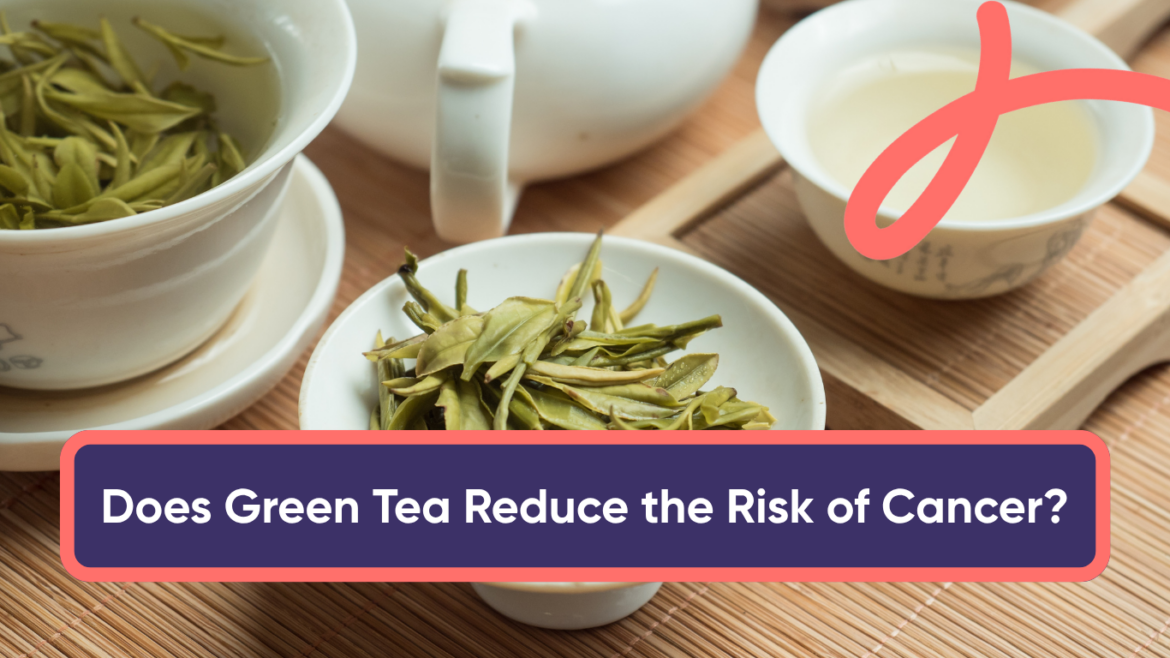
Green tea has long been linked with positive health outcomes. [1] It is full of antioxidants that have been associated with the prevention of many ailments, including cancer. Despite these associations, there have been no evidence-based suggestions on the quantity of green…
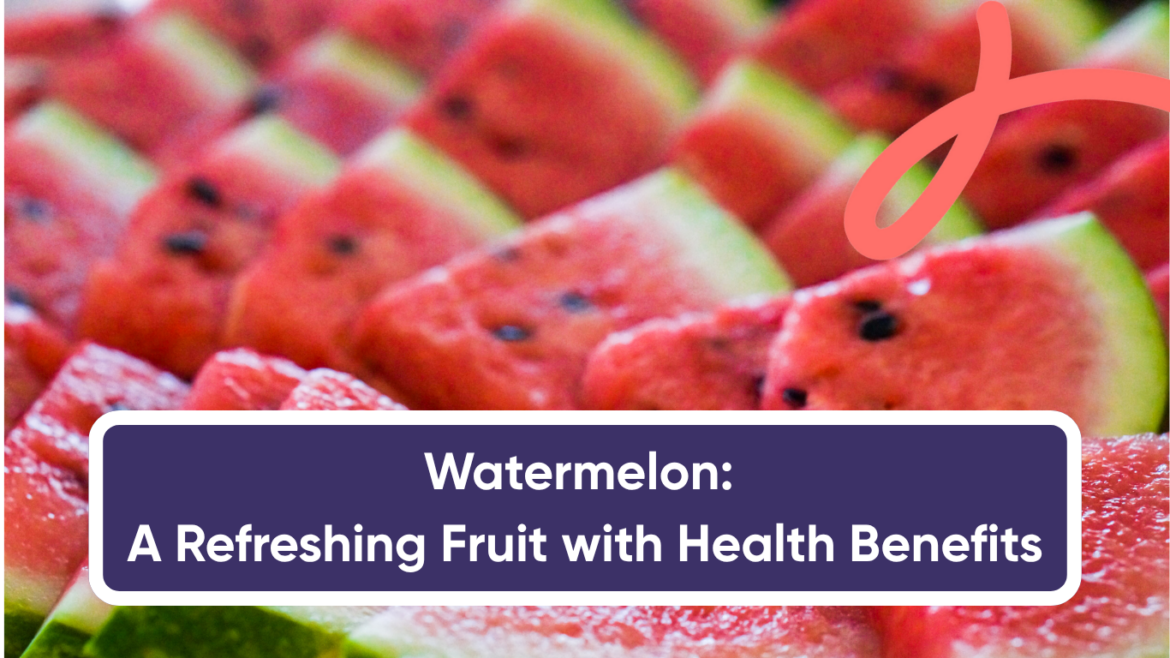
Sweet, juicy, and refreshing, watermelon is one of summer's favorite treats, but did you know that watermelon can help prevent cancer?
Watermelon is a great hydrating snack and has shockingly little natural sugar compared to other fruits. It is also jam-packed…
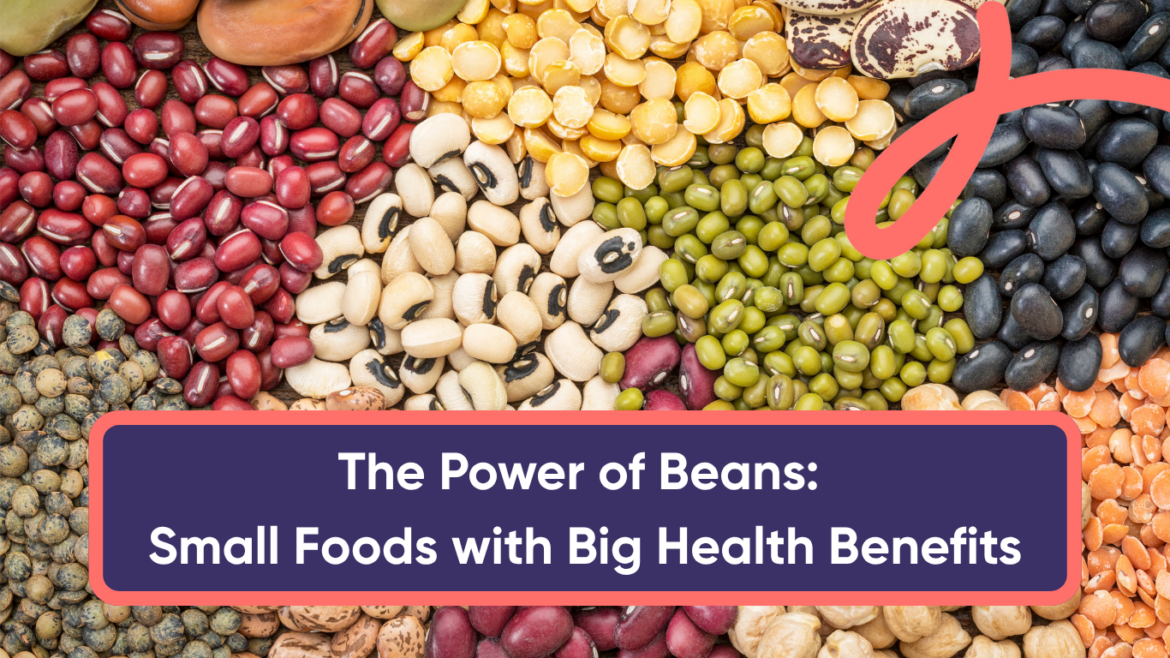
Do you like beans? What’s your favorite? Mung beans, red beans, black beans, soybeans, kidney beans, or chickpeas? Research shows that regular consumption of beans can offer various health benefits. Beans are not only versatile and delicious but also a powerful house…
Cancer remains one of the leading causes of death worldwide, with nearly 10 million deaths each year. [1] With cancer continuing to affect the lives of so many people, it’s important to understand what steps we can take to prevent or reduce…
As cancer research continues to advance, increasing attention is being placed on both prevention and early intervention—two complementary approaches that can significantly reduce the global burden of cancer.
There are a few critical differences between intervening and preventing cancer.
What is Cancer Intervention?…
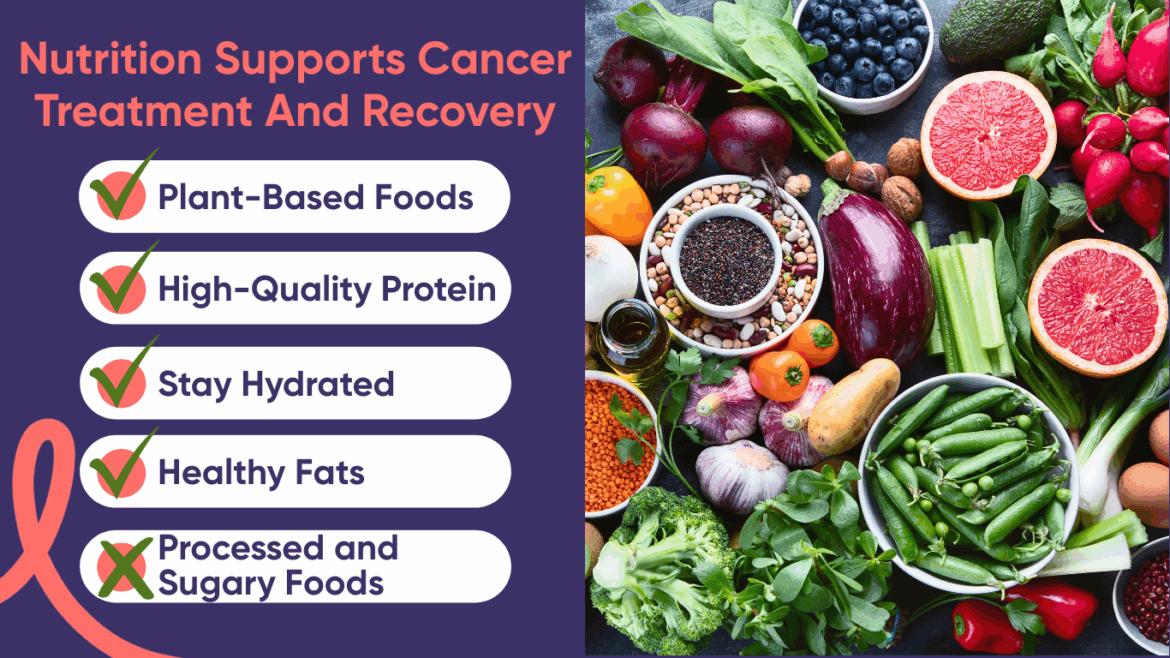
Proper nutrition during and after cancer treatment plays a vital role in healing, strengthening the body, and improving quality of life. While nutrition alone cannot cure cancer alone, a balanced, healthy diet helps the body cope with treatment, rebuild strength, and support…
Regular screenings improve early detection and treatment outcomes. Individuals with a family history, genetic predispositions (e.g., BRCA mutations), or other risk factors should consult their doctors for personalized screening guidance.
1. Breast Cancer
Age Group:
40-44: Optional annual mammogram. Women may choose to…
Cancer patients and survivors often have fears related to their health, such as recurrence or pending treatment. But the sources of stress and anxiety don’t stop there. Cancer can ignite concerns about family, finances, changes in body image and the challenges of…
When Diagnosed with cancer, it's scary. The patient or family is unfamiliar with the jargon, and they have so many questions and worries racing through their mind that it is hard to focus. Because of this, knowing what to ask the doctor…